

Assess what candidates can do.
Resumes tell you where someone has been. Findem's skills-based assessment platform tells you what they can do — technical ability, behavioral fit, and coding readiness — with auto-graded, AI-proctored results behind every score.
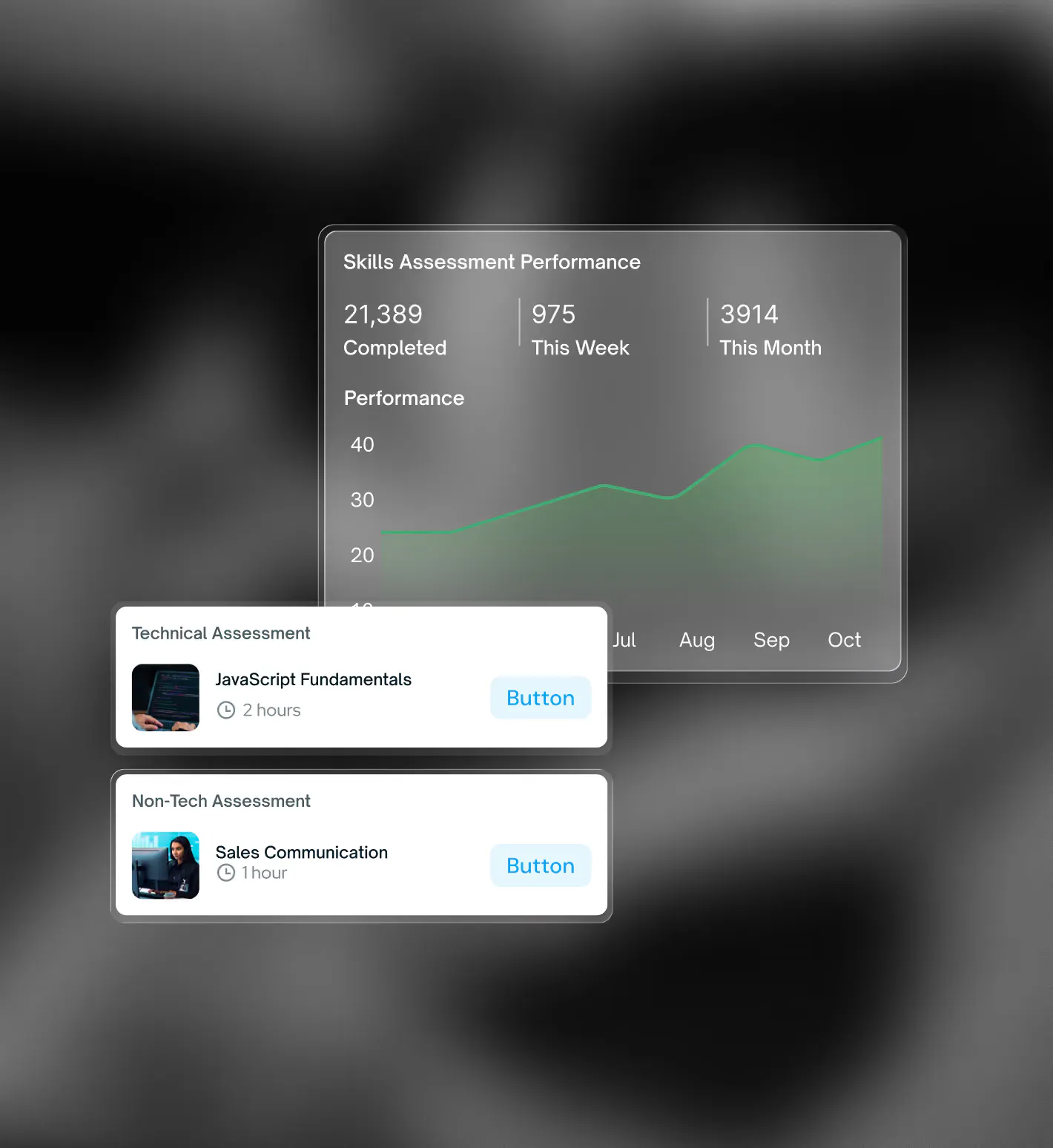
200,000+ questions. 500+ skills. Vetted by 2,000+ subject matter experts.

Resumes don't tell you who can do the job.
A strong resume describes where someone has been, not what they can do today. The same job title means different things at different companies and stages, and hiring teams end up pattern-matching on surface signals that don't reliably predict performance.
Most assessment tools cover tech roles or non-tech roles, not both.
A platform built for engineering evaluation won't work for customer-facing, operational, or behavioral roles. Managing separate tools for each function creates inconsistency and gaps in how fairly candidates are evaluated across different roles.
Unvalidated assessments create legal exposure.
An assessment that hasn't been tested for fairness, difficulty calibration, and job relevance is a liability. Teams need evaluation tools that are defensible — built with input from psychologists, validated by certified raters, and reviewed across varying backgrounds before any candidate sees them.
Evaluate what candidates can do.
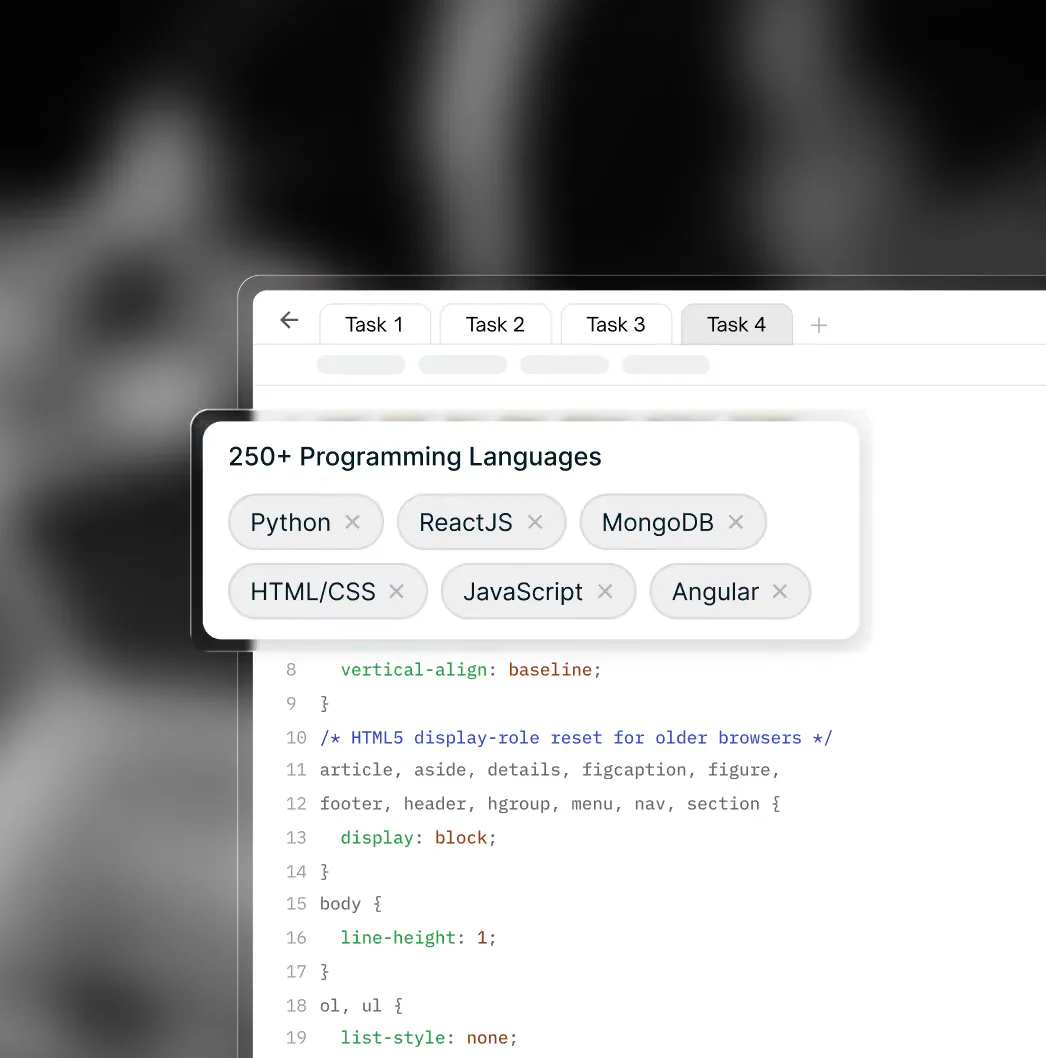
Test technical skill in the actual environment candidates will use.
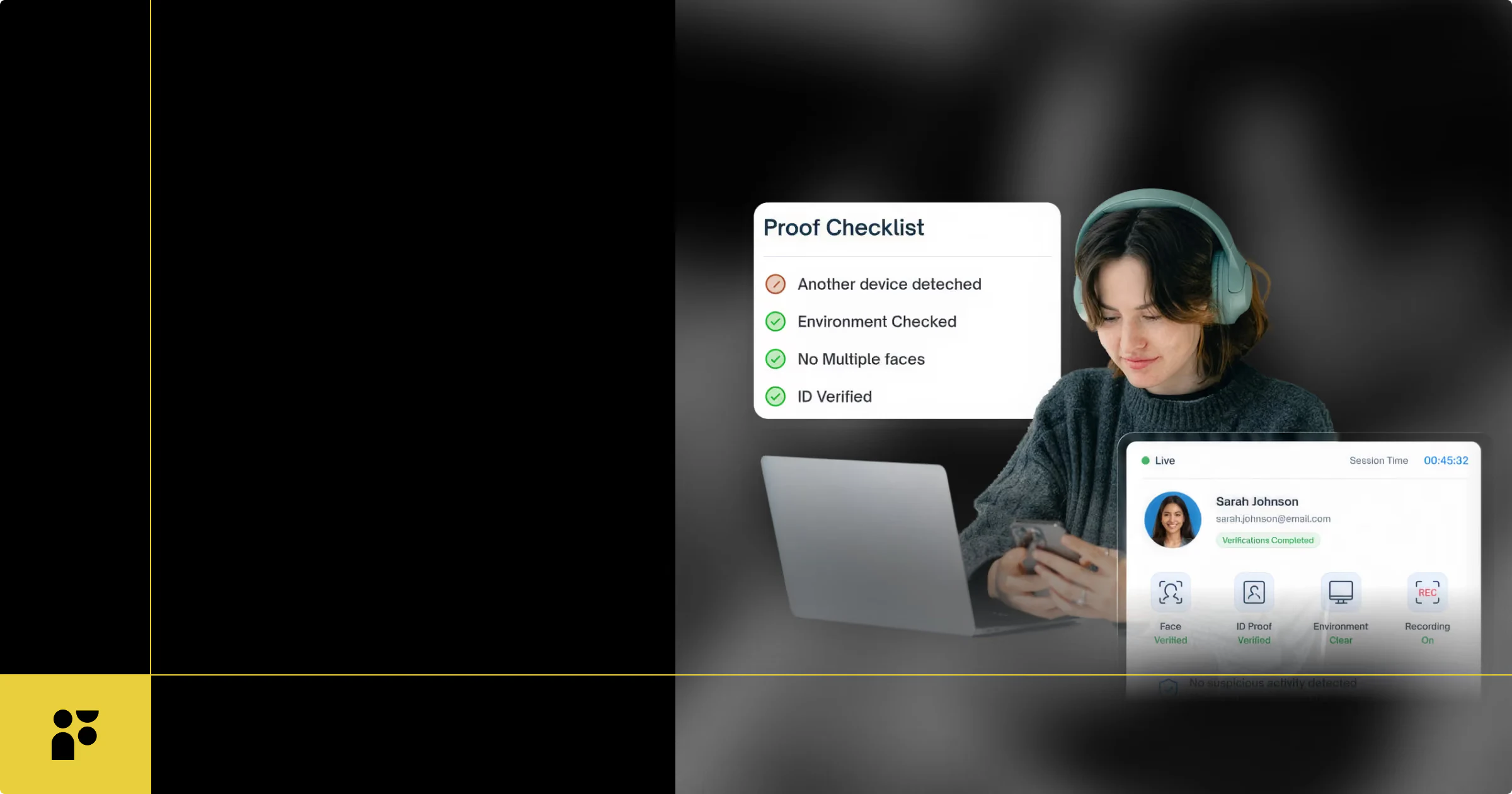
Technical Skill Tests and Coding Simulations evaluate candidates in environments that mirror the tools, languages, and workflows of the role, with over 250 technologies covered and assessments built and maintained by subject matter experts. Auto-grading and detailed performance reports replace manual review, and AI proctoring runs alongside every session to confirm results are earned.
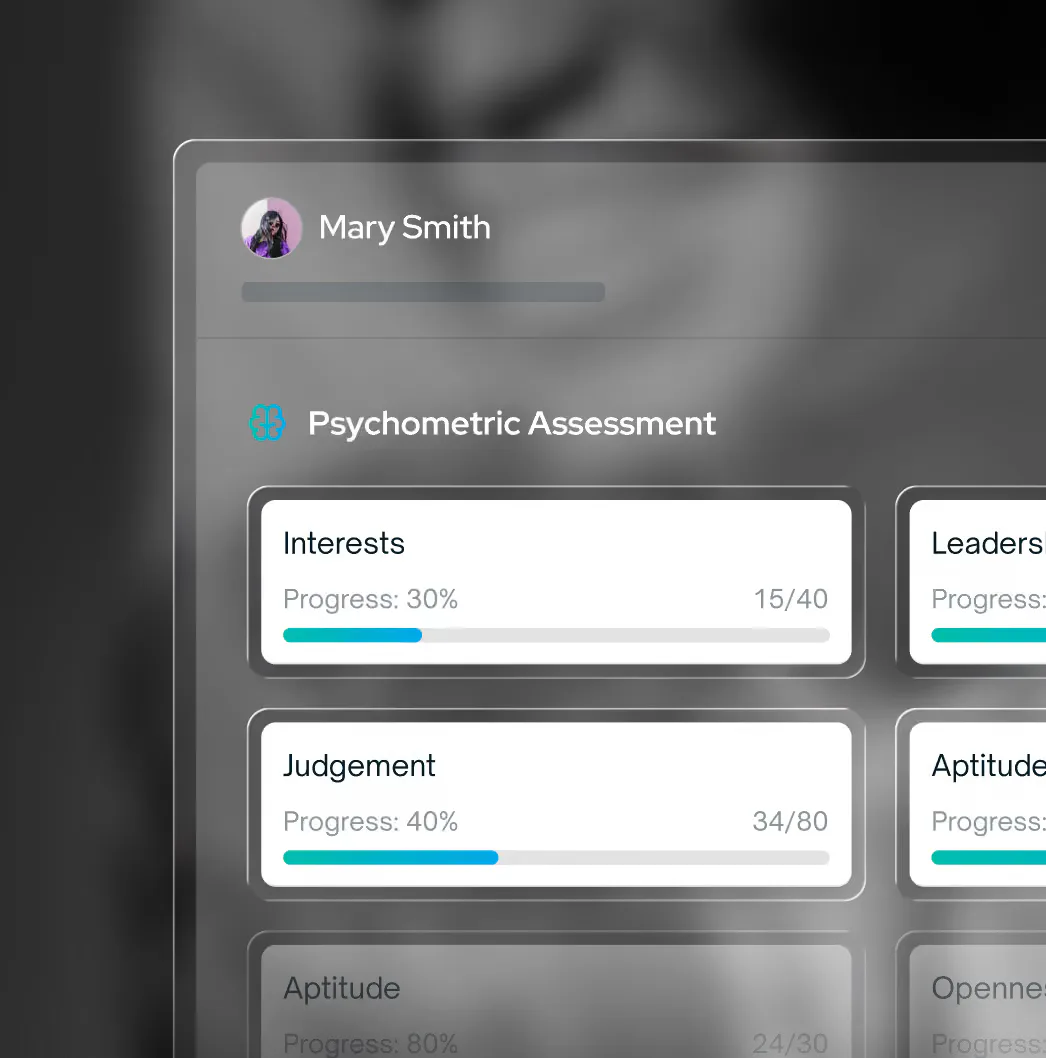
Evaluate fit beyond the technical screen.
Behavioral, cognitive, and role-based assessments give hiring teams a structured way to evaluate what doesn't show up in a coding test: how a candidate thinks under pressure, how they approach problem-solving, how they're likely to work within a team. Each assessment type is developed with input from psychologists and data scientists, validated for difficulty and fairness, and reviewed by multiple parties before deployment.
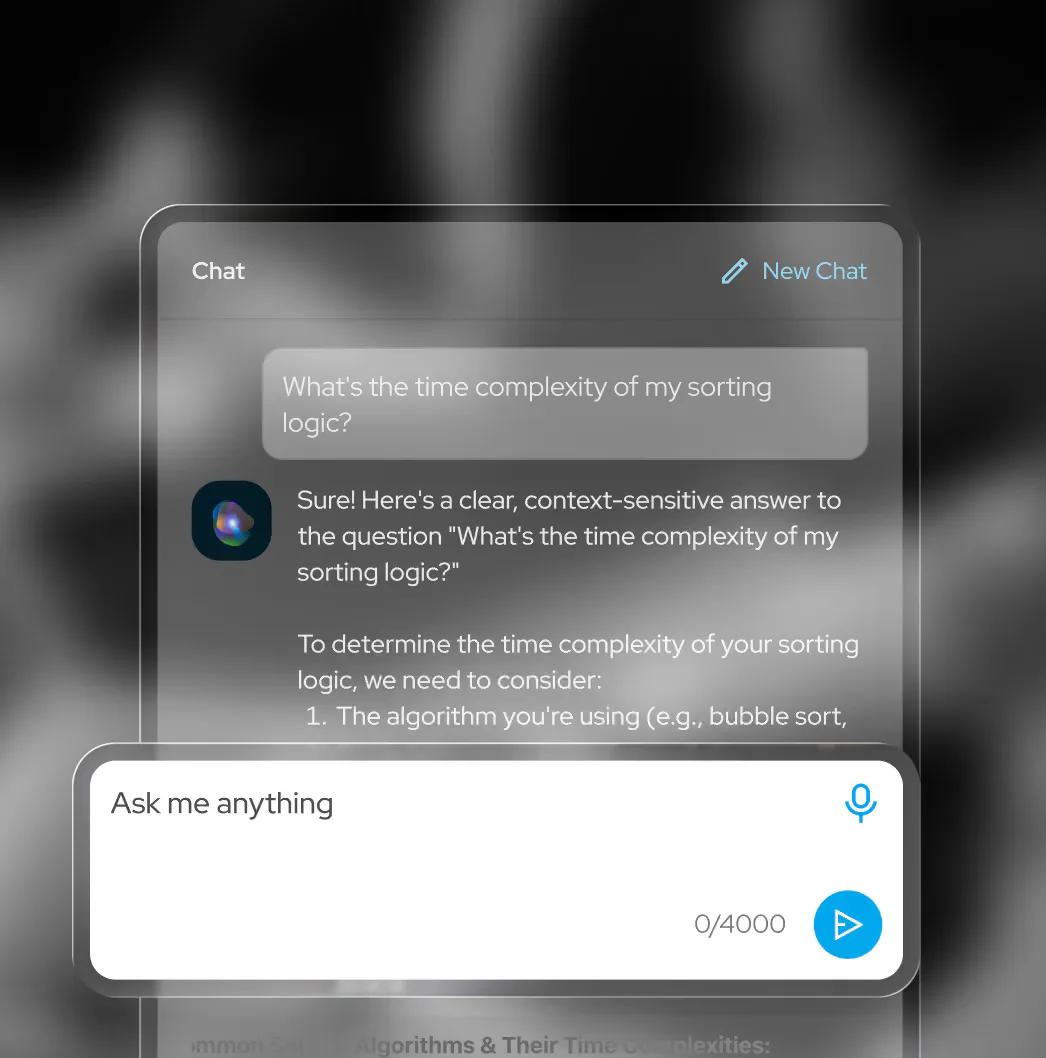
Code reviews that reflect the actual job.
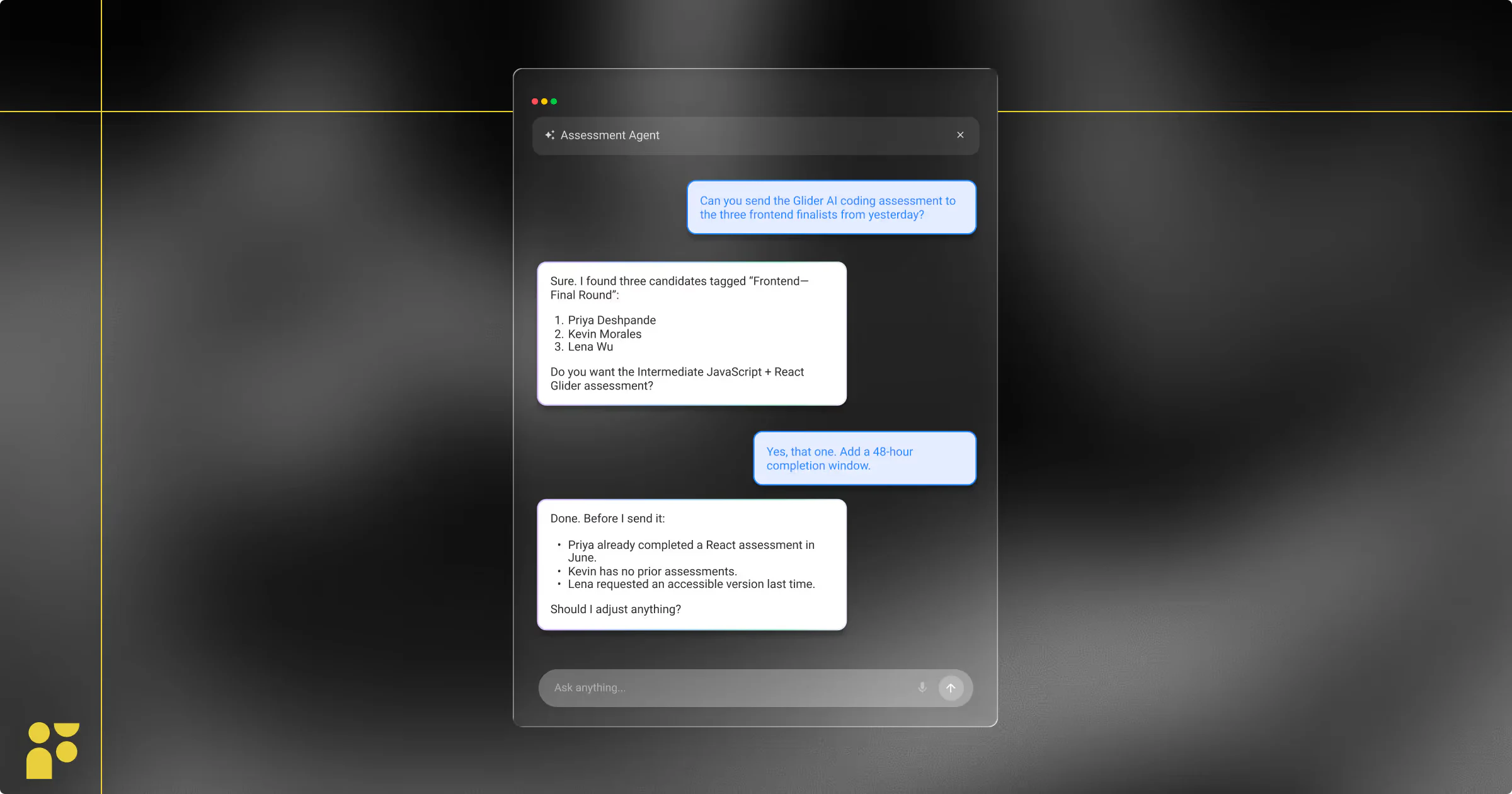
Coding Simulations put candidates in a working environment built to match the actual stack and conditions of the role — demonstrating the specific skills the job requires, not solving a problem designed for a whiteboard. The AI Assessment Assistant can conduct two-way conversations, evaluate communication and problem-solving in context, and flag candidates who stand out. Every simulation runs within the same AI-proctored environment as the rest of the platform.
Frequently asked questions.
See people in higher resolution.
